

The German Alpine Road itinerary is one of those road trips that somehow manages to exceed expectations. You start with a simple plan: drive through Bavaria, admire a few mountains, maybe visit a castle or two. Before long, you’re pulling over every 20 minutes because another postcard-worthy lake appears around the next bend.
Stretching across southern Germany, the Deutsche Alpenstraße, or German Alpine Road, covers roughly 450 kilometers (280 miles) from Lindau on Lake Constance to Berchtesgaden near the Austrian border. Along the way, you’ll encounter fairy-tale castles, alpine villages, mountain peaks, turquoise lakes, and enough scenic viewpoints to fill several memory cards.
What makes this route special isn’t simply the scenery. Plenty of places have mountains. The real magic comes from the combination of Bavarian culture, historic towns, excellent roads, and landscapes that seem designed specifically for road trips.
I believe seven days is the sweet spot. It gives you enough time to enjoy the route without turning every day into a race against the clock. Could you drive it faster? Absolutely. Should you? Probably not unless your idea of fun involves spending your entire vacation searching for parking.
This guide provides a realistic driving itinerary, practical travel tips, accommodation suggestions, and the most rewarding stops along Germany’s most scenic road.
Understanding the German Alpine Road Before You Start
Route Overview and Total Distance
The German Alpine Road runs west to east through Bavaria’s foothills and alpine regions. While the official route measures approximately 450 kilometers, most travelers end up covering much more once detours, viewpoints, and local explorations are added.
The route connects charming towns, mountain landscapes, lakes, castles, and national parks. Unlike many famous drives, this one feels remarkably diverse from beginning to end.
Where the German Alpine Road Begins and Ends
The journey starts in Lindau, a picturesque island town on Lake Constance near Germany’s border with Austria and Switzerland.
It finishes in Berchtesgaden, home to some of Germany’s most spectacular alpine scenery and the famous Königssee lake.
Both ends are easily accessible by car, train, or nearby airports.
Ideal Trip Length for a Relaxed Experience
Three days is possible. Five days is enjoyable. Seven days is ideal.
Seven days allows you to visit the major highlights while still having time for spontaneous discoveries. Those unplanned stops often become the best memories.
We often forget that road trips aren’t about covering distance. They’re about enjoying what happens between destinations.
Best Time of Year for the Drive
Late spring through early autumn offers the best balance of weather and accessibility.
- May to June: Green landscapes and fewer crowds
- July to August: Warmest weather but busiest period
- September to October: Stunning autumn colors and pleasant temperatures
- November to March: Beautiful but some attractions and mountain roads may be affected by snow
If I had to choose one season, early autumn wins. The crowds thin out, temperatures remain comfortable, and Bavaria begins showing off its autumn colors.
Rental Car and Driving Considerations
A compact SUV or midsize car works perfectly for this itinerary.
The roads are generally excellent. Fuel stations are frequent, navigation is straightforward, and driving conditions are comfortable for most travelers.
Just remember that scenic roads have one major hazard: constant distractions from beautiful views.
German Alpine Road Map and Route Highlights
The route unfolds in three distinct sections.
- Western Bavaria: Lakes, rolling hills, and charming towns
- Central Alpine Region: Castles, mountain scenery, and famous resorts
- Eastern Bavaria: National parks, dramatic peaks, and pristine alpine lakes
Each section offers a different personality, ensuring the scenery never feels repetitive.
German Alpine Road Itinerary at a Glance
| Day | Route | Distance | Driving Time | Overnight Stop |
|---|---|---|---|---|
| 1 | Lindau to Füssen | 120 km | 2.5 hrs | Füssen |
| 2 | Füssen to Oberammergau | 50 km | 1 hr | Oberammergau |
| 3 | Oberammergau to Garmisch-Partenkirchen | 30 km | 45 mins | Garmisch-Partenkirchen |
| 4 | Zugspitze Region Exploration | Local | Flexible | Garmisch-Partenkirchen |
| 5 | Garmisch to Berchtesgaden | 190 km | 3.5 hrs | Berchtesgaden |
| 6 | Berchtesgaden National Park | Local | Flexible | Berchtesgaden |
| 7 | Eagle’s Nest and Departure | Flexible | Flexible | Departure |
Day 1: Lindau to Füssen Along Bavaria’s Scenic Lake District
Exploring Lindau on Lake Constance
Lindau provides the perfect introduction to the German Alpine Road.
The historic island town sits on Lake Constance surrounded by alpine scenery. Its colorful harbor, cobbled streets, and waterfront cafés create an atmosphere that immediately slows your pace.
Spend the morning wandering through the old town before setting out.
Scenic Stops Between Lindau and Füssen
The route toward Füssen passes through some of Bavaria’s prettiest countryside.
Rolling hills gradually transition into alpine landscapes. Traditional farmhouses appear among green meadows. Church spires rise above small villages.
It’s classic Bavaria, exactly as many travelers imagine it.
Recommended stops include:
- Immenstadt
- Großer Alpsee
- Kempten
- Forggensee Lake
Evening in Füssen
Füssen feels like a storybook town.
Nestled beneath the Alps, it combines colorful architecture with stunning mountain backdrops. The compact old town is ideal for an evening stroll after a day on the road.
Grab dinner at a traditional Bavarian restaurant and enjoy the anticipation of tomorrow’s main attraction.
Overnight Recommendation
Stay within walking distance of Füssen’s historic center to maximize convenience and atmosphere.
Day 2: Neuschwanstein Castle and the Ammergau Alps
Visiting Neuschwanstein Castle
No German Alpine Road itinerary is complete without Neuschwanstein Castle.
Yes, it’s famous. Yes, it’s crowded. And yes, it’s absolutely worth visiting.
The castle inspired Disney’s Sleeping Beauty Castle and remains one of Germany’s most recognizable landmarks.
Arrive early. Very early.
Trust me, you’ll thank yourself later.
Exploring Hohenschwangau
Many visitors rush past Hohenschwangau.
That’s a mistake.
The village offers beautiful scenery, excellent walking trails, and another impressive royal residence, Hohenschwangau Castle.
Combined with nearby Alpsee Lake, the area easily deserves several hours.
Driving Through the Ammergau Region
The Ammergau Alps deliver some of Bavaria’s most underrated scenery.
The roads wind through forests, mountain valleys, and traditional villages where painted facades decorate historic buildings.
Traffic tends to be lighter than around Füssen, making the drive especially enjoyable.
Overnight in Oberammergau
Oberammergau is famous for its Passion Play tradition, but even outside event years, it’s one of Bavaria’s most charming towns.
Decorated houses, mountain views, and relaxed village life make it a memorable overnight stop.
Day 3: Oberammergau to Garmisch-Partenkirchen
Ettal Abbey and Local Highlights
Begin the morning at Ettal Abbey.
The enormous Benedictine monastery rises unexpectedly from the valley floor. Its architecture, history, and mountain surroundings make it one of the route’s most rewarding cultural stops.
Take time to explore before continuing east.
Scenic Alpine Roads and Mountain Views
The drive toward Garmisch-Partenkirchen is relatively short, but that doesn’t mean it’s uneventful.
Quite the opposite.
Expect dramatic peaks, winding roads, and plenty of opportunities to stop for photographs.
This is where the Alps begin to dominate the landscape.
Discovering Garmisch-Partenkirchen
Garmisch-Partenkirchen combines Bavarian tradition with alpine adventure.
Originally two separate towns, it now serves as Germany’s premier mountain resort destination.
You’ll find painted houses, outdoor cafés, excellent restaurants, and endless mountain views.
Even without any planned activities, simply wandering around town feels rewarding.
Evening Activities
Spend the evening exploring the historic streets or enjoying a traditional Bavarian dinner.
Tomorrow is dedicated to Germany’s highest mountain, so an early night isn’t the worst idea.
Then again, Bavarian beer has a way of influencing travel plans.
Day 4: Zugspitze and Alpine Landscapes Around Garmisch
Reaching Germany’s Highest Peak
Today is all about the mountains.
Zugspitze stands at 2,962 meters (9,718 feet), making it Germany’s highest peak and one of the most impressive highlights of any German Alpine Road itinerary.
You can reach the summit using a combination of cable cars and mountain railways. The experience feels remarkably effortless considering you’re climbing nearly 3,000 meters.
And then the views hit.
On a clear day, you can see across Germany, Austria, Switzerland, and Italy. Snow-capped peaks stretch endlessly toward the horizon, creating one of those rare travel moments where photos simply don’t do justice to reality.
I always recommend arriving early. Morning conditions often provide the clearest visibility, especially during summer.
Eibsee Lake and Photography Stops
At the foot of Zugspitze sits Eibsee, arguably Germany’s most photogenic lake.
The water glows with shades of turquoise and emerald that almost look edited. The surrounding mountains reflect perfectly on calm mornings, creating postcard-worthy scenes from nearly every angle.
Fortunately, this isn’t one of those places that only looks good on Instagram.
It’s even better in person.
A complete walk around the lake takes roughly two hours at a relaxed pace. If your schedule allows, don’t rush it.
Optional Hiking Experiences
Active travelers have plenty of options.
- Eibsee Circular Trail
- Partnach Gorge Walk
- Kreuzeck Hiking Trails
- Alpspitze Panorama Routes
Even short hikes reward visitors with spectacular alpine scenery.
We often assume road trips and hiking are separate vacations. Along the German Alpine Road, they work surprisingly well together.
Overnight Stay in Garmisch-Partenkirchen
Spend a second night in Garmisch-Partenkirchen.
This eliminates unnecessary driving and allows more flexibility throughout the day.
After a full day in the mountains, a relaxed Bavarian dinner feels well-earned.
Day 5: Garmisch-Partenkirchen to Berchtesgaden
Driving Through Traditional Bavarian Villages
Day five is the longest driving day of this itinerary, but it’s also one of the most rewarding.
The route passes through some of Bavaria’s most scenic landscapes, connecting alpine villages, rolling meadows, and dramatic mountain backdrops.
Rather than viewing this as a transit day, think of it as a sightseeing experience with a steering wheel.
The scenery rarely gives your eyes a chance to rest.
Chiemsee and Lakeside Detours
Chiemsee deserves a proper stop.
Often called the “Bavarian Sea,” it’s the largest lake in Bavaria and one of the region’s most popular destinations.
Visitors can take a ferry to Herreninsel, home to the extravagant Herrenchiemsee Palace commissioned by King Ludwig II.
The palace may not receive as much international attention as Neuschwanstein, but it’s every bit as fascinating.
Perhaps even more so if you enjoy royal excess and architectural ambition.
Scenic Mountain Roads Along the Route
As you continue eastward, the mountains gradually become more dramatic.
The road twists through valleys and foothills, revealing fresh panoramas around nearly every corner.
Photography enthusiasts should allow extra time because stopping frequently becomes almost unavoidable.
There’s always one more viewpoint.
And then another.
Arrival in Berchtesgaden
Berchtesgaden marks the grand finale of the German Alpine Road.
Surrounded by towering peaks, pristine forests, and crystal-clear lakes, the region feels noticeably more rugged than many earlier sections of the route.
The atmosphere here is quieter, more dramatic, and deeply connected to nature.
Spend the evening exploring the town center and preparing for tomorrow’s adventures.
Day 6: Exploring Berchtesgaden National Park
Königssee Boat Trip Through Alpine Wilderness
Königssee is one of Germany’s natural treasures.
The long, narrow lake resembles a Norwegian fjord more than a typical Bavarian landscape.
Electric boats glide silently across the water, preserving the peaceful atmosphere that makes the area so special.
The surrounding cliffs rise dramatically from the shoreline, creating a landscape that feels almost untouched.
Many visitors consider Königssee the highlight of their entire trip.
It’s easy to understand why.
Jenner Mountain Views Above the Lake
For a different perspective, take the Jennerbahn cable car into the mountains.
From the summit area, panoramic views extend across Königssee, Berchtesgaden National Park, and the surrounding Alpine peaks.
The scenery feels larger and wilder than much of Bavaria’s western alpine region.
Bring a camera and spare batteries.
You’ll probably need both.
Alpine Walking Trails and Nature Experiences
Berchtesgaden National Park rewards slow travel.
Whether you choose a short lakeside walk or a longer mountain hike, the landscape encourages you to slow down and appreciate the details.
Wildflowers, waterfalls, forest paths, and distant peaks create a setting that feels remarkably untouched.
In a world full of crowded attractions, that feels increasingly valuable.
Local Bavarian Experiences Beyond the Viewpoints
The region offers more than scenery.
Consider visiting traditional beer gardens, local bakeries, or regional museums to gain a deeper understanding of Bavarian culture.
Travel isn’t only about famous landmarks.
Sometimes the memorable moments involve a quiet lunch, a conversation with a local, or a view discovered accidentally.
Day 7: Eagle’s Nest and Final Eastern Alpine Road Highlights
Visiting the Eagle’s Nest Above Berchtesgaden
The Eagle’s Nest provides a dramatic finale.
Perched high above Berchtesgaden, this historic mountain retreat offers extraordinary panoramic views of the surrounding Alps.
While the site’s historical significance attracts many visitors, the scenery remains the primary reason to make the journey.
On clear days, the mountain views seem almost endless.
It’s the kind of place that encourages you to simply sit quietly and take it all in.
Final Scenic Stops Before Departure
Before leaving the region, consider revisiting a favorite viewpoint or exploring lesser-known roads nearby.
The final day shouldn’t feel rushed.
After all, you’ve spent a week traveling through one of Europe’s most beautiful driving routes. There’s no need to sprint across the finish line.
Extending Your Bavaria Road Trip
If time allows, several excellent extensions are available.
- Salzburg, Austria
- Munich
- The Romantic Road
- Tyrol Region in Austria
- Innsbruck
Many travelers discover that one week in Bavaria simply isn’t enough.
The region has a habit of convincing visitors to stay longer.
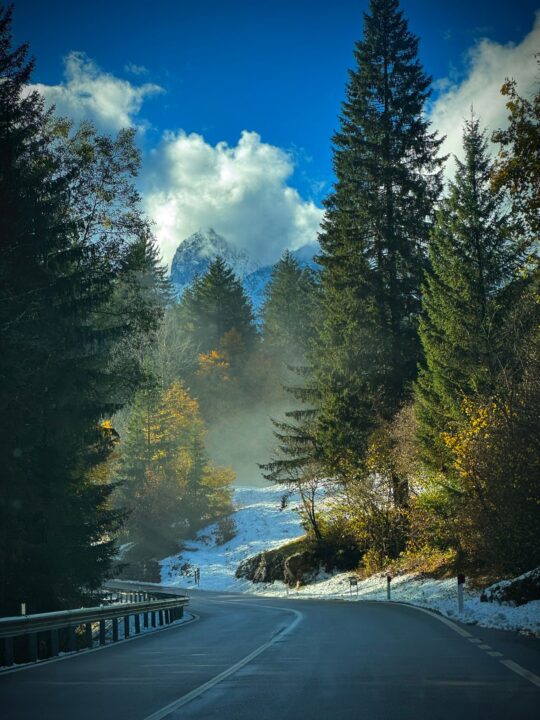
The Most Beautiful Stops Along the German Alpine Road
Neuschwanstein Castle
The undisputed icon of Bavaria’s fairy-tale landscapes.
Lake Constance
A stunning introduction to the western end of the route.
Oberammergau
Traditional Bavarian charm at its finest.
Zugspitze
Germany’s highest peak and one of the country’s best viewpoints.
Eibsee
A turquoise alpine lake that consistently exceeds expectations.
Chiemsee
Bavaria’s largest lake and home to a remarkable royal palace.
Königssee
One of Germany’s most spectacular natural attractions.
Berchtesgaden National Park
A wilderness destination that showcases Bavaria’s dramatic alpine landscapes.
Suggested Detours Worth Adding to Your Itinerary
One of the biggest advantages of the German Alpine Road is how easily it connects with other incredible destinations.
If your schedule allows, adding a few strategic detours can transform a great road trip into an unforgettable one.
Romantic Road Extension Through Historic Germany
The Romantic Road pairs beautifully with the German Alpine Road.
Starting near Füssen, this famous route connects some of Germany’s most charming medieval towns, including Rothenburg ob der Tauber, Dinkelsbühl, and Augsburg.
While the Alpine Road focuses on mountains and lakes, the Romantic Road delivers castles, city walls, and centuries of history.
Together, they create one of Europe’s most rewarding self-drive itineraries.
Munich City Break Before or After the Drive
Munich makes an excellent gateway to the German Alpine Road.
Many travelers fly into Munich, spend a few days exploring the city, and then begin the road trip.
Highlights include:
- Marienplatz
- Nymphenburg Palace
- English Garden
- Viktualienmarkt
- Traditional Bavarian beer halls
Plus, let’s be honest. A road trip through Bavaria feels incomplete without at least one oversized pretzel.
Salzburg Day Trip Across the Austrian Border
Salzburg sits less than an hour from Berchtesgaden and is one of the easiest detours available.
The city combines baroque architecture, mountain scenery, and rich cultural heritage. Even travelers with limited time can comfortably visit for a day.
The old town alone justifies the journey.
Tyrol Region and Innsbruck Adventure
For travelers wanting more mountains, Austria’s Tyrol region provides a natural extension.
Innsbruck offers alpine scenery, colorful architecture, excellent hiking, and easy access to additional mountain routes.
Think of it as adding another layer to an already spectacular alpine adventure.
Accommodation Guide Along the German Alpine Road
Choosing the right overnight stops can dramatically improve your overall experience.
The good news? Bavaria does hospitality exceptionally well.
Best Places to Stay for First-Time Visitors
For a balanced itinerary, consider overnight stays in:
- Füssen
- Oberammergau
- Garmisch-Partenkirchen
- Berchtesgaden
These locations provide excellent access to major attractions while minimizing unnecessary driving.
Budget Accommodation Options
Budget travelers have plenty of choices.
- Family-run guesthouses
- Traditional pensions
- Small inns
- Hostels in larger towns
Many affordable properties include breakfast, helping reduce daily travel costs.
Mid-Range Hotels With Alpine Views
The sweet spot for most travelers lies in Bavaria’s mid-range hotel market.
Expect comfortable rooms, excellent service, mountain views, and easy access to local attractions.
Many properties feel far more luxurious than their price tags suggest.
Luxury Bavarian Mountain Retreats
If you’re celebrating a special occasion, Bavaria offers exceptional luxury hotels and alpine resorts.
Think spa facilities, gourmet dining, panoramic terraces, and direct mountain access.
After a day exploring alpine roads, relaxing in a spa overlooking the Alps feels remarkably easy to get used to.
Driving Tips for the German Alpine Road
Road Conditions and Speed Limits
Most roads along the route are in excellent condition.
Germany’s infrastructure is among the best in Europe, making driving relatively stress-free.
That said, mountain roads require extra attention, particularly during poor weather.
Always respect posted speed limits and local traffic regulations.
Fuel Stations and Charging Points
Fuel availability is rarely a problem.
Service stations are common throughout Bavaria, especially near larger towns.
Electric vehicle drivers will also find a growing network of charging stations along the route.
Still, it’s wise not to let your fuel gauge become a source of adventure.
Parking at Popular Attractions
Popular sites can become busy quickly.
Neuschwanstein Castle, Eibsee, Königssee, and Zugspitze attract significant visitor numbers during peak season.
Arriving early often means easier parking, fewer crowds, and better photography conditions.
Three wins for the price of one.
Navigating Mountain Roads Safely
Mountain driving isn’t difficult, but it does require patience.
Use lower gears when descending steep sections, allow faster vehicles to pass when appropriate, and avoid unnecessary risks when overtaking.
The scenery isn’t going anywhere.
There’s no prize for reaching the next village five minutes earlier.
Budget Breakdown for a German Alpine Road Trip
Your total budget depends largely on accommodation choices and travel style.
| Expense | Budget | Mid-Range | Luxury |
|---|---|---|---|
| Accommodation (per night) | €70–120 | €140–220 | €300+ |
| Car Rental (per day) | €35–60 | €60–100 | €120+ |
| Food (per day) | €25–40 | €50–90 | €120+ |
| Fuel | €70–120 total | €70–120 total | €70–120 total |
| Attractions | €50–100 | €100–200 | €200+ |
Most travelers can comfortably complete a seven-day German Alpine Road itinerary on a moderate mid-range budget.
Compared with many Western European road trips, Bavaria offers surprisingly strong value.
Best Photography Locations Along the Route
Castle Viewpoints and Fairytale Landscapes
Neuschwanstein Castle remains the star attraction for photographers.
The famous Marienbrücke viewpoint provides one of Germany’s most iconic photo opportunities.
Mountain Panorama Stops
Zugspitze, Jenner, and Alpspitze offer sweeping mountain vistas that stretch across multiple countries.
Early morning and late afternoon provide the most dramatic lighting conditions.
Alpine Lakes With Mirror Reflections
Eibsee, Königssee, Alpsee, and Chiemsee are among Bavaria’s most photogenic lakes.
Calm mornings often create perfect reflections that transform good photos into great ones.
Sunrise and Sunset Photography Locations
Golden hour can be magical throughout the Alps.
Mountain peaks catch the first and last light of the day, creating warm colors and dramatic shadows.
Even casual photographers will find themselves setting alarms surprisingly early.
Seasonal Experiences on the German Alpine Road
Spring Wildflowers and Waterfalls
Spring brings fresh energy to Bavaria’s landscapes.
Melting snow feeds waterfalls, meadows become vibrant green, and visitor numbers remain relatively low.
It’s one of the most underrated times to visit.
Summer Road Trip Conditions
Summer offers the longest days and the warmest temperatures.
Most attractions operate at full capacity, hiking trails remain accessible, and outdoor activities thrive.
The trade-off is larger crowds.
Autumn Colors Across Bavaria
Many experienced travelers consider autumn the best season for the German Alpine Road.
Forests glow with shades of gold and orange while cooler temperatures make sightseeing more comfortable.
September and early October are particularly rewarding.
Winter Driving and Snow-Covered Landscapes
Winter transforms Bavaria into a snow-covered wonderland.
The scenery becomes magical, but drivers should prepare for winter road conditions and shorter daylight hours.
Snow tires are often essential during colder months.
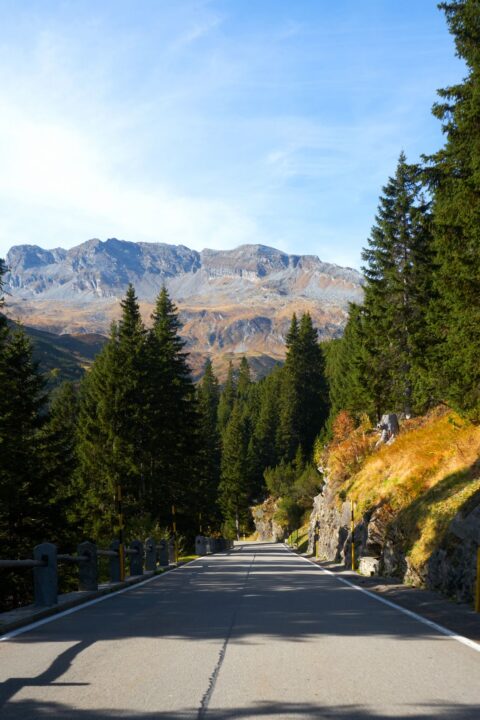
Common Mistakes to Avoid When Planning the Route
Underestimating Driving Times
The biggest planning mistake is assuming driving times tell the whole story.
They don’t.
Scenic stops, photography breaks, café visits, and spontaneous detours quickly extend travel days.
Skipping Advance Reservations
Popular attractions sell out.
Neuschwanstein Castle, mountain railways, and accommodation in peak season often require advance booking.
Planning ahead prevents unnecessary disappointment.
Overloading the Daily Schedule
More stops do not automatically create a better trip.
In fact, the opposite is often true.
Allow time to enjoy destinations instead of racing between them.
Ignoring Seasonal Closures
Weather affects mountain destinations.
Always verify operating schedules for cable cars, attractions, and seasonal roads before departure.
A five-minute check can save hours of frustration.
Final Thoughts on Planning the Perfect German Alpine Road Itinerary
The German Alpine Road isn’t simply a scenic drive.
It’s a journey through some of Germany’s most beautiful landscapes, historic towns, alpine lakes, and mountain regions.
A realistic seven-day itinerary provides enough time to experience the highlights without feeling rushed.
From Neuschwanstein Castle and Zugspitze to Königssee and Berchtesgaden National Park, every section offers something memorable.
And perhaps that’s what makes this route so special.
Not the individual attractions, impressive as they are.
It’s the way they connect together into one remarkable road trip that consistently rewards curiosity, flexibility, and a willingness to take the scenic route.
Frequently Asked Questions About the German Alpine Road Itinerary
How many days do you need for the German Alpine Road?
Seven days is the ideal amount of time for most travelers. A week allows you to visit major attractions such as Neuschwanstein Castle, Zugspitze, Eibsee, Chiemsee, Königssee, and Berchtesgaden without feeling rushed.
While the route can technically be driven in three to four days, you’ll spend far more time behind the wheel and far less time enjoying the scenery. Five days works well for travelers with limited vacation time, but seven days provides the best balance between driving, sightseeing, and relaxation.
Where does the German Alpine Road start and end?
The German Alpine Road starts in Lindau on Lake Constance in western Bavaria and ends in Berchtesgaden near Germany’s border with Austria.
The official route covers approximately 450 kilometers (280 miles) and connects some of Bavaria’s most scenic landscapes, alpine villages, lakes, castles, and mountain regions.
Is the German Alpine Road worth driving?
Absolutely.
The German Alpine Road is widely considered one of Europe’s most beautiful road trips. The route combines dramatic mountain scenery, historic towns, fairy-tale castles, crystal-clear lakes, and excellent driving roads.
Unlike many scenic drives that focus on a single landscape, the German Alpine Road offers a constantly changing mix of attractions that keeps the journey interesting from start to finish.
What is the best month to drive the German Alpine Road?
September is often considered the best month for a German Alpine Road itinerary.
The weather remains pleasant, summer crowds begin to decline, and early autumn colors start appearing across Bavaria’s forests and mountain valleys.
June is another excellent option thanks to long daylight hours, comfortable temperatures, and lush green landscapes.
Can you drive the German Alpine Road in winter?
Yes, the route can be driven during winter, although conditions may vary depending on snowfall and weather patterns.
Many sections remain open year-round, but travelers should expect winter driving conditions, shorter daylight hours, and occasional weather-related disruptions.
Winter tires are often required and should be included on rental vehicles during colder months.
What are the top attractions along the German Alpine Road?
The most popular attractions include:
- Neuschwanstein Castle
- Zugspitze
- Eibsee Lake
- Oberammergau
- Chiemsee
- Königssee
- Berchtesgaden National Park
- Eagle’s Nest
- Ettal Abbey
- Lake Constance
These destinations collectively showcase the best of Bavaria’s cultural heritage and alpine scenery.
Is the German Alpine Road suitable for first-time visitors to Germany?
Yes, it is one of the best road trips for first-time visitors.
The route is easy to navigate, roads are well maintained, tourism infrastructure is excellent, and attractions are located relatively close together.
Travelers experience a broad cross-section of Germany’s most iconic landscapes while enjoying a comfortable and accessible driving experience.
Can the German Alpine Road be combined with the Romantic Road?
Yes, combining both routes is highly recommended.
The Romantic Road passes close to Füssen, making it easy to extend your journey and explore medieval towns such as Rothenburg ob der Tauber, Dinkelsbühl, and Augsburg.
Together, the two routes create one of Germany’s most comprehensive road trip experiences, blending alpine scenery with historic architecture and cultural attractions.
Do you need a rental car for the German Alpine Road?
A rental car is strongly recommended.
Although public transportation can reach many destinations along the route, having your own vehicle provides significantly greater flexibility.
You can stop at scenic viewpoints, explore smaller villages, visit hidden lakes, and adjust your schedule without depending on train or bus timetables.
What is the total driving distance of the German Alpine Road?
The official route covers approximately 450 kilometers (280 miles).
However, most travelers will drive between 600 and 800 kilometers during a week-long itinerary once sightseeing detours, accommodation transfers, and local explorations are included.
Is the German Alpine Road family-friendly?
Yes, it is an excellent family road trip destination.
Children typically enjoy attractions such as Neuschwanstein Castle, cable car rides, alpine lakes, mountain railways, and boat trips on Königssee.
The relatively short driving distances between major attractions also help make the itinerary manageable for families traveling with younger children.
When should you book accommodation along the German Alpine Road?
Booking several months in advance is recommended for travel between June and September.
Popular destinations such as Füssen, Garmisch-Partenkirchen, and Berchtesgaden experience high demand during peak season. Early reservations provide more accommodation choices and often better rates.
What should you pack for a German Alpine Road trip?
Weather in the Alps can change quickly.
Essential items include:
- Comfortable walking shoes
- Light waterproof jacket
- Layered clothing
- Sunglasses
- Camera or smartphone
- Power bank
- Reusable water bottle
- Travel adapter
Even during summer, mountain temperatures can be noticeably cooler than valley conditions.
What makes the German Alpine Road different from other European road trips?
The diversity of experiences is what sets it apart.
Few European routes combine fairy-tale castles, alpine peaks, traditional villages, historic monasteries, crystal-clear lakes, and national parks within such a compact distance.
The route also benefits from excellent infrastructure, making it accessible to both experienced road-trippers and first-time visitors to Germany.