

Andhra Pradesh is positioning itself as a major tourist destination in India by diversifying beyond its famous temple tourism. With a strategic vision spanning 2025 to 2029, the state is focusing on Buddhist heritage trails, tribal experiences, and a calendar of mega cultural events to attract both domestic and international travelers. This comprehensive development approach aims to establish Andhra Pradesh as a multifaceted tourism hub that caters to diverse traveler interests.
Understanding Andhra Pradesh’s Current Tourism Landscape
Currently ranking third in India for tourist arrivals, Andhra Pradesh owes much of its popularity to the Tirupati Balaji temple, recognized as the most visited Hindu temple globally. However, the state’s tourism authorities are working to transform this numerical advantage into a more diversified tourism economy. The goal is not merely to maintain high visitor numbers but to achieve centralization by distributing tourist flow across multiple destinations and segments.
According to Padmarani Seela, Chief Marketing Officer and Communication Officer of the AP Tourism Authority, the state is actively developing niche segments including Buddhist tourism, beach tourism, and handicrafts tourism. This strategic diversification aims to reduce dependency on religious tourism while showcasing the state’s rich cultural and natural heritage.
Emerging Destinations Beyond Temple Tourism
Araku Valley: Tribal Culture Meets Coffee Plantations
Araku Valley has emerged as a premier destination for travelers seeking authentic tribal experiences combined with scenic beauty. This picturesque hill station offers visitors the unique opportunity to explore indigenous tribal cultures while experiencing coffee plantation tours. The valley’s cool climate, lush landscapes, and cultural richness make it particularly appealing to European and American markets, where tribal tourism represents a significant niche interest.
Buddhist Circuit: Amaravati and Visakhapatnam
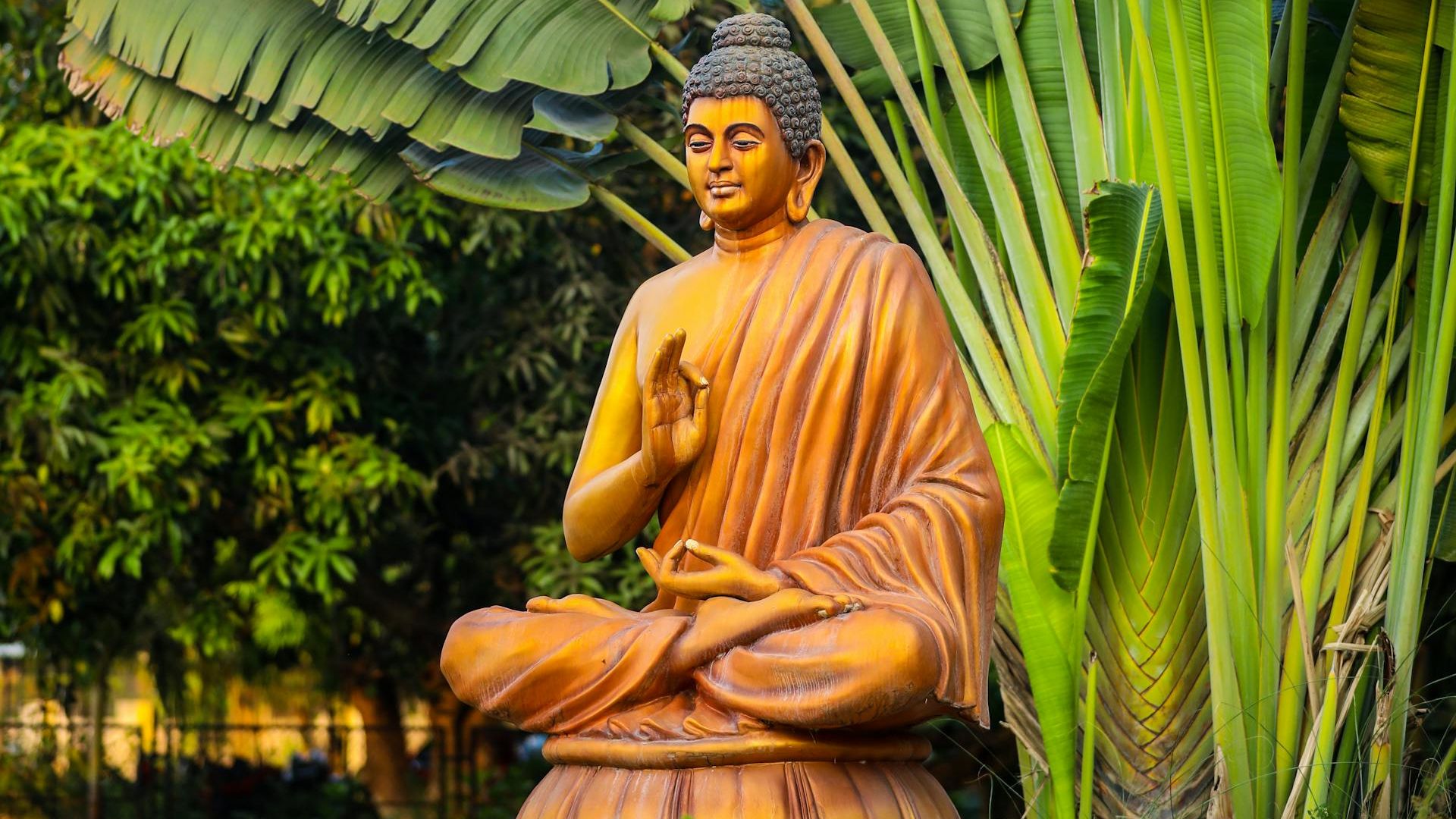
The Buddhist tourism circuit connecting Amaravati and Visakhapatnam (Vizag) presents enormous potential, especially for Southeast Asian travelers. These destinations showcase significant Buddhist heritage sites that resonate with visitors from countries with strong Buddhist traditions. The development of these circuits aligns with international interest in spiritual and heritage tourism, providing an alternative to more crowded Buddhist sites in other parts of India.
Gandikota: India’s Grand Canyon
Often referred to as the “Grand Canyon of India,” Gandikota offers dramatic gorge landscapes that rival international natural wonders. This geological marvel provides adventure tourism opportunities and stunning photography locations, attracting younger demographics and adventure enthusiasts seeking unique experiences off the beaten path.
Addressing Infrastructure and Connectivity Challenges
Despite its tourism potential, Andhra Pradesh faces critical challenges that impact international visitor arrivals. The primary concern remains last-mile connectivity, which prevents tourists from easily accessing destinations beyond major urban centers. Infrastructure development represents another crucial area requiring attention, as modern travelers expect seamless transportation, quality accommodations, and well-maintained tourist facilities.
Recognizing these gaps, tourism authorities are coordinating with other government departments and neighboring states to create integrated tourism corridors. This collaborative approach aims to simplify travel logistics for inbound tourists, making Andhra Pradesh more accessible and attractive as a destination.
Strategic Tourism Policy for 2024-2029
The state has launched a comprehensive tourism policy covering 2024 to 2029, designed to attract significant private investment through attractive incentive packages. This forward-looking policy framework provides developers and investors with clear guidelines and financial benefits for establishing tourism infrastructure and services.
The policy’s marketing component includes an ambitious calendar of 91 events throughout the state, with eight designated as mega events receiving priority promotion. This event-driven strategy aims to create year-round tourism appeal and establish Andhra Pradesh’s presence on the national and international tourism map.
Showcasing Cultural Diversity Through Mega Festivals
The eight mega events represent the state’s cultural diversity and natural attractions. The Flamingo Festival celebrates the migratory birds that visit the state’s wetlands, offering wildlife enthusiasts a unique spectacle. The Visakha Utsav transforms Vizag’s beaches into vibrant cultural spaces, combining beach tourism with traditional performances and contemporary entertainment.
Amaravati hosts literary, music, and dance festivals that showcase the state’s artistic heritage, while the Chali Festival in Araku Valley highlights tribal traditions and customs. Each event is strategically designed to attract specific tourist segments, from culture enthusiasts to nature lovers, creating multiple entry points for different traveler profiles.
Targeting International Markets with Specialized Offerings
Andhra Pradesh’s tourism strategy recognizes that different international markets have distinct interests. Southeast Asian travelers show particular interest in Buddhist heritage trails, making them a priority target for the Amaravati-Vizag circuit promotion. European and American markets demonstrate strong preference for tribal tourism experiences, positioning Araku Valley as a key destination for these demographics.
Additionally, the state’s handloom and handicraft traditions appeal to specific markets, as evidenced by Sri Lankan delegations focusing exclusively on textile tourism. This market-specific approach allows for targeted marketing campaigns that speak directly to the interests of different international visitor segments.
Leveraging Digital Influence and Global Partnerships
Recognizing the power of digital storytelling, Andhra Pradesh is actively seeking to attract travel influencers and bloggers who can showcase the state’s destinations to global audiences. This influencer marketing strategy complements traditional promotional efforts by providing authentic, visually compelling content that resonates with modern travelers.
The state is also strengthening connections with tour operators and travel stakeholders across India and internationally. Participation in major international travel exhibitions, including the World Travel Market (WTM) London, demonstrates the commitment to establishing Andhra Pradesh as a globally recognized destination.
 The Path Forward for Andhra Pradesh Tourism
Andhra Pradesh stands at a transformative juncture in its tourism development. By moving beyond its traditional strength in religious tourism to embrace Buddhist heritage, tribal experiences, beach destinations, and cultural events, the state is creating a comprehensive tourism ecosystem. Success will depend on continued infrastructure investment, effective last-mile connectivity solutions, and sustained marketing efforts across targeted international markets.
With its 2025-2029 strategic framework, diverse natural and cultural assets, and commitment to attracting private investment, Andhra Pradesh is positioning itself not just as a transit destination but as a primary choice for travelers seeking authentic, diverse experiences in India. The coming years will reveal whether this ambitious vision translates into sustained tourism growth and economic benefits for local communities.