

In a landmark announcement that signals a significant shift in global tourism patterns, Angola has been confirmed as the Official Host Country for ITB Berlin 2026. This partnership, revealed on October 16, 2025, positions the Southwest African nation at the forefront of the world’s leading travel trade show during its milestone 60th anniversary edition. The collaboration between Angola’s Ministry of Tourism and Messe Berlin represents more than a ceremonial role—it marks a strategic elevation of African tourism on the global stage and offers Angola an unprecedented platform to showcase its diverse attractions to an international audience of industry leaders, buyers, and media.
As we examine this development, we see it as part of a broader trend of African nations taking center stage in global tourism. The 2025 edition of ITB Berlin already demonstrated Africa’s growing influence, with the East African Community making its unified debut and countries like Djibouti participating for the first time. Angola’s selection as host country for the 60th anniversary edition continues this momentum, offering a unique opportunity to analyze how emerging destinations can leverage major international platforms to transform their tourism economies.
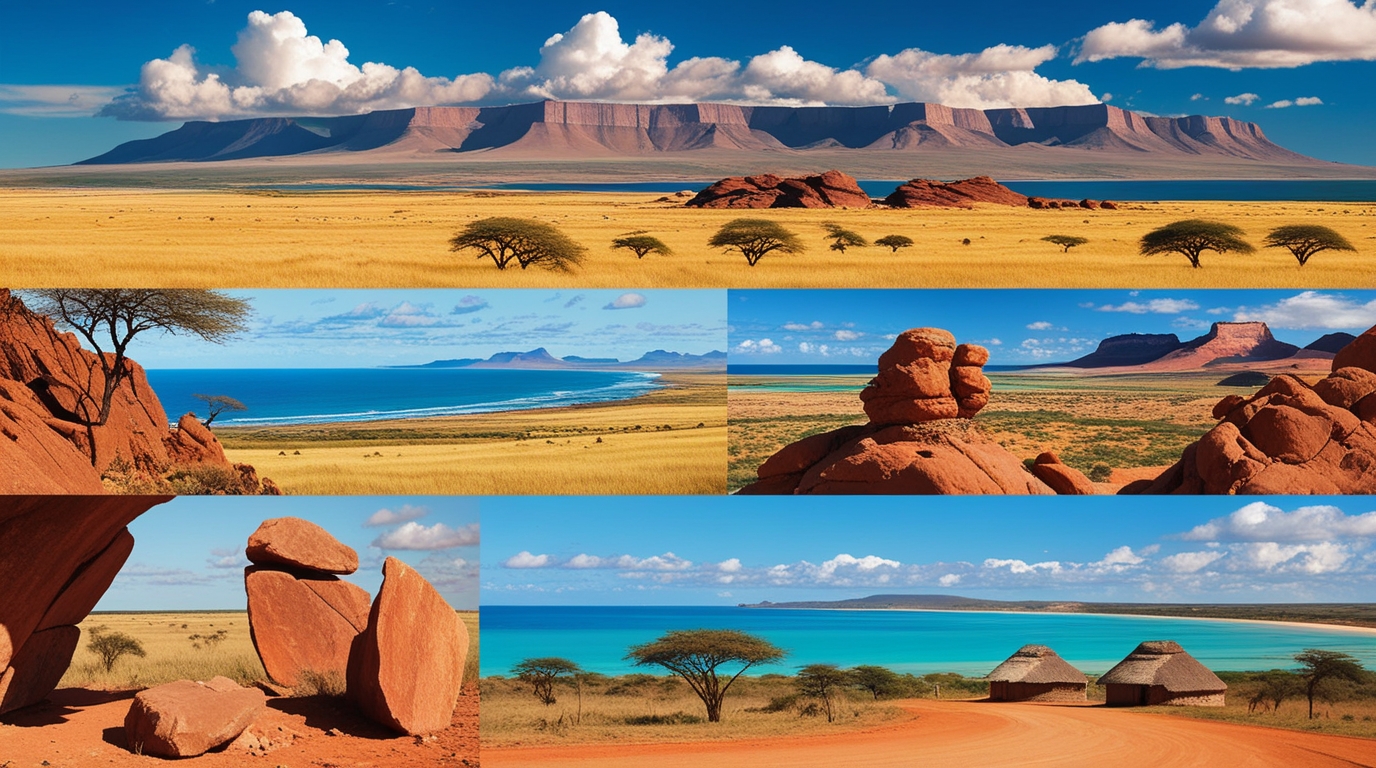
Angola’s diverse landscapes, from its wild coasts to expansive deserts, form the foundation of its tourism appeal.
Why Angola’s Host Role Matters for Global Tourism
The selection of Angola as host country for ITB Berlin 2026 represents a calculated strategic move with implications that extend far beyond a single event. This partnership comes at a pivotal moment for both Angola’s tourism development and ITB Berlin’s legacy as the world’s leading travel trade show.
What Does Being Host Country at ITB Berlin Involve?
Being named host country of ITB Berlin provides Angola with an unparalleled platform to shape international perceptions and forge valuable industry connections. As host country, Angola will enjoy:
- Prime exhibition space and enhanced visibility throughout the event
- The honor of officially opening ITB Berlin at the prestigious gala on March 2, 2026
- Opportunities to present cultural performances and immersive experiences
- Dedicated media attention and promotional opportunities before and during the event
- Priority access to networking events with international buyers and trade partners
This host country role has previously propelled emerging destinations into the international spotlight. Albania’s 2025 hosting, for instance, generated significant buzz and media coverage that elevated its profile among European travelers. Angola stands to benefit similarly, potentially accelerating its tourism development timeline by several years.
The Strategic Timing for Angola’s Tourism Sector
Angola’s hosting role coincides with several key developments in its tourism sector that suggest strategic timing. The country has recently introduced a new national brand identity—”Visit Angola – The Rhythm of Life”—and implemented policy changes to facilitate international visitors. The visa exemption policy introduced under Presidential Decree No. 189/23 enables citizens of 98 countries to enter Angola more freely, removing a significant barrier to tourism growth.
From ITB Berlin’s perspective, selecting Angola aligns with the event’s mission to support destinations in making their tourism potential visible on the world stage. As Dirk Hoffmann, COO of Messe Berlin, stated: “With its new brand identity and slogan ‘The Rhythm of Life’, Angola is sending a strong signal on the international tourism stage. It is a special honour for us to welcome this multifaceted country as the official host country for the sixtieth anniversary of ITB Berlin”.
Discovering Angola: Africa’s Next Premier Destination
While Angola may be unfamiliar to many international travelers, its tourism assets position it as a potentially competitive destination in Africa’s growing tourism market. Understanding what Angola offers helps contextualize why ITB Berlin selected it for this prominent role.
What Tourism Experiences Does Angola Offer Visitors?
Angola’s tourism appeal lies in its remarkable diversity of landscapes and cultural experiences. The country features pristine national parks, spectacular waterfalls, vast deserts, and beaches that stretch for miles along its Atlantic coastline. Its cultural diversity, rich culinary traditions, and lively music and dance scene create a distinctive visitor experience that aligns with growing consumer interest in authentic, immersive travel.
Julia Kleber, CEO of the Kleber Group and official representative of the Angola Tourism Board, captures this diversity: “Angola inspires with its fascinating contrast of wild coasts, impressive desert landscapes, majestic waterfalls and ancient rock formations. Our country embodies the spirit of The Rhythm of Life – full of energy, diversity and warmth”.
Angola’s vibrant cultural expressions, including its music and dance, are central to its new tourism brand “The Rhythm of Life.” (Conceptual image)
Understanding Angola’s Current Tourism Metrics
To appreciate the transformative potential of Angola’s ITB Berlin hosting role, it helps to understand its current position in the global tourism landscape. According to World Bank data compiled from officially recognized sources, Angola recorded approximately 218,000 international tourist arrivals in 2019. While modest compared to African tourism leaders, this baseline represents the foundation upon which Angola can build.
More recent reports indicate that in 2022, Angola received nearly 130,000 tourists—about 40% lower than pre-pandemic levels. This suggests significant growth potential as global travel continues to recover. The sector generated US $667 million in receipts in 2023, supporting over 100,000 direct jobs, indicating tourism’s emerging role in economic diversification beyond Angola’s traditional oil-based economy.
| Indicator | Current Data | Context & Potential |
|---|---|---|
| International Tourist Arrivals (2019) | 218,000 | Modest baseline with significant growth potential, particularly with new visa exemption policies |
| Tourism Receipts (2023) | US $667 million | Demonstrates economic impact and potential for further diversification beyond oil economy |
| Direct Tourism Employment | Over 100,000 jobs | Highlights sector’s role in job creation, particularly for youth employment |
| Visa Accessibility | 98 countries exempt | Significant improvement in accessibility through Presidential Decree No. 189/23 |
Africa’s Rising Profile in Global Tourism
Angola’s prominent role at ITB Berlin 2026 reflects broader trends in African tourism development. The continent is increasingly asserting itself as a dynamic, innovative force in global travel, moving beyond traditional safari narratives to showcase diverse experiences.
How Are Other African Destinations Performing?
The 2025 edition of ITB Berlin provided compelling evidence of Africa’s growing influence in global tourism. Several developments stood out:
- The East African Community made its debut as a unified exhibitor, promoting the region under the slogan “Visit East Africa: Feel the Vibe”. This collaborative approach aims to position East Africa as a top-tier global destination emphasizing diverse landscapes, rich culture, and seamless cross-border tourism opportunities.
- South Africa delivered a dynamic showcase that highlighted everything from world-famous nature parks to vibrant urban experiences. Notably, the country brought along 15 small, medium and micro enterprises (SMMEs), reflecting a commitment to inclusive economic growth.
- Djibouti participated for the first time at ITB Berlin, adding a fresh perspective to the African tourism landscape and positioning itself as an emerging destination for adventure seekers and history enthusiasts.
The collective presence of African destinations at major international trade shows like ITB Berlin has reached unprecedented levels. This reflects not only increased government investment in tourism promotion but also growing international interest in African destinations beyond traditional favorites.
What Can Angola Learn from Other African Tourism Success Stories?
As Angola prepares for its spotlight moment at ITB Berlin 2026, it can draw valuable insights from other African destinations that have successfully leveraged international platforms:
Rwanda’s focused approach to high-value, low-impact tourism demonstrates how niche positioning can yield significant returns. Ethiopia’s emphasis on cultural heritage and historical sites shows how unique selling propositions can differentiate a destination. Kenya’s recent move to visa-free access for all visitors illustrates how barrier reduction can stimulate market growth.
Perhaps most relevant to Angola is the East African Community’s unified approach to tourism promotion. By presenting a cohesive regional identity while highlighting individual country strengths, the EAC offers a model for how Angola might position itself within Southern Africa’s tourism ecosystem.
Angola’s Preparation Strategy for ITB Berlin 2026
Success at ITB Berlin 2026 requires meticulous preparation across multiple fronts. Angola appears to be developing a comprehensive strategy to maximize this opportunity, building on ongoing efforts to elevate its international tourism profile.
How Is Angola Preparing for Its ITB Berlin Spotlight?
Angola’s Institute for Tourism Promotion (INFOTUR) is implementing a multi-faceted preparation strategy. According to Alicia Santos, General Director of INFOTUR, this includes equipping Angolan tour operators with innovative tools to create all-inclusive travel packages and developing synergies with other markets to promote shared tourism resources.
Beyond ITB Berlin specifically, Angola is planning participation in other significant trade fairs in 2026, including Four and Stuttgart Fair in Germany, as well as Indaba in South Africa. This integrated approach to international marketing suggests a sustained commitment to tourism development rather than a one-off event focus.
Angola’s urban centers, including the capital Luanda, are part of the diverse experiences the country will showcase at ITB Berlin 2026. (Conceptual image)
What Challenges Must Angola Address Before 2026?
Capitalizing on the ITB Berlin opportunity requires addressing several practical challenges. Tourism infrastructure development remains a priority, particularly in transportation, lodging, and visitor services. Streamlining the visitor experience through improved signage, multilingual services, and digital resources will be essential for converting international interest into positive on-the-ground experiences.
Angola must also develop compelling tour products and itineraries that showcase its diverse attractions efficiently. This involves not only creating packages but also ensuring adequate capacity and quality standards across the tourism value chain. As one of Africa’s “largely unexplored travel destinations”, Angola has the advantage of a relatively blank canvas but faces the challenge of building tourism systems essentially from the ground up in many regions.
Opportunities for the Travel Industry
Angola’s hosting of ITB Berlin 2026 creates numerous opportunities for various travel industry stakeholders, from tour operators and investors to adjacent destinations and travel technology providers.
What Does This Mean for Tour Operators and Travel Agents?
For tour operators and travel agents, Angola’s emergence represents an opportunity to diversify product offerings and tap into growing consumer interest in less-crowded, authentic destinations. The timing is particularly relevant as travelers increasingly seek “undiscovered” destinations beyond traditional tourism circuits.
Forward-thinking operators can develop specialized Angola-focused itineraries or incorporate Angolan stops into broader Southern Africa routes. The country’s diverse geography—from the Namib Desert’s northern extension to its Atlantic coastline—offers natural connections to existing regional itineraries focused on Namibia, Botswana, or South Africa.
Where Are the Investment Opportunities in Angola’s Tourism Sector?
Angola’s tourism development creates numerous investment possibilities across the hospitality value chain:
- Lodging infrastructure, particularly mid-range and eco-friendly accommodations outside major urban centers
- Adventure tourism operations capitalizing on Angola’s diverse landscapes
- Tourist transportation services, including domestic air connections and ground transport
- Visitor services and experiences that showcase Angolan culture and nature
- Travel technology solutions tailored to the Angolan and Southern African context
The Angolan government’s apparent commitment to tourism development, evidenced by its ITB Berlin hosting and new visa policies, suggests a favorable environment for tourism investment. The sector’s role in creating youth employment and supporting sustainable economic growth further enhances its investment appeal.
Attending ITB Berlin 2026: What You Need to Know
For industry professionals considering attendance at ITB Berlin 2026, understanding the event’s format and Angola’s specific role can help maximize the experience.
| Detail | Information |
|---|---|
| Event Dates | Tuesday, 3 March to Thursday, 5 March 2026 |
| Venue | Berlin ExpoCenter City, Messedamm 22, 14055 Berlin, Germany |
| Opening Gala | 2 March 2026 at CityCube Berlin, featuring Angola as host country |
| Registration Deadline for Exhibitors | 1 September 2025 |
| Event Type | B2B trade show with parallel ITB Berlin Convention |
ITB Berlin 2026 will celebrate the 60th anniversary of the world’s leading travel trade show. Since its launch in 1966, ITB Berlin has grown into a global brand portfolio that includes not only the flagship Berlin event but also ITB Asia, ITB China, ITB India and, from 2026, ITB Americas. The anniversary edition will bring together the past, present, and future of travel, with Angola’s hosting role providing a focal point for discussions about emerging destinations and tourism’s evolving geography.
A Pivotal Moment for African Tourism
Angola’s role as host country of ITB Berlin 2026 represents more than an isolated event—it signals a broader shift in global tourism patterns and Africa’s rising prominence within the industry. For Angola specifically, this opportunity comes at a strategic moment in its tourism development, coinciding with new brand identity implementation, policy reforms, and infrastructure investments.
The successful execution of Angola’s hosting role could accelerate its tourism development by several years, potentially establishing it as the next significant destination in Southern Africa’s tourism landscape. For the global travel industry, Angola’s emergence offers new product development opportunities and the chance to engage with a destination still largely undiscovered by international markets.
As we look toward March 2026, the travel industry should watch Angola’s preparations with keen interest. The country’s ability to leverage this platform will provide valuable insights into how emerging destinations can successfully navigate the path from hidden gem to must-visit location. One thing is certain: all eyes will be on Angola as it takes center stage at the world’s leading travel trade show, ready to showcase its unique rhythm of life to the global tourism community.
We invite industry partners to join us in tracking Angola’s journey to ITB Berlin 2026 and exploring the collaborative opportunities this presents for the global travel community.