

The traditional American vacation is undergoing a high-octane transformation as travelers swap hotel lobbies for trailheads and airport terminals for the open road. Recent data from the Bureau of Economic Analysis and the Outdoor Industry Association indicates that outdoor recreation now contributes over $1 trillion to the U.S. economy, with RVing and powersports leading the charge. This shift toward nature-based, self-contained travel isn’t just a lingering effect of the pandemic; it is a fundamental change in how families and solo adventurers define the best travel opportunities in the modern era.
Across the United States, from the rugged trails of Moab to the coastal campgrounds of the Carolinas, the surge in RV sales and the explosion of the powersports market—including ATVs, UTVs, and personal watercraft—are reshaping local tourism boards’ strategies. No longer content with passive sightseeing, today’s travelers are seeking “active immersion.” They want to reach the unreachable, and they want the comfort of a mobile basecamp to return to at the end of the day. This synergy between mobility and adventure is creating a new gold standard for domestic tourism.
The RV Revolution: Why Mobile Living is the Best Travel Strategy
RVs have shed their “retirement-only” stigma to become the primary vehicle for the “work-from-anywhere” generation. The rise of high-speed satellite internet, such as Starlink, has decoupled the professional life from the stationary office, allowing digital nomads to chase the best travel seasons across the country without missing a Zoom call. This flexibility has extended the traditional “travel season” into a year-round phenomenon, providing a steady stream of revenue for rural communities that previously struggled during the off-season.
Innovation in the RV space has also played a massive role. Modern units are increasingly equipped with massive lithium battery banks, solar arrays, and off-road capabilities that allow for “boondocking”—camping on public lands without traditional hookups. This allows travelers to find the best travel spots far away from crowded commercial campgrounds, leaning into the solitude and serenity that nature-based tourism provides. For many, the “best travel” is now defined by how few neighbors they have rather than how many amenities the hotel offers.
- Increased Accessibility: Peer-to-peer rental platforms like Outdoorsy and RVshare have lowered the barrier to entry, allowing curious travelers to test the lifestyle without a six-figure investment.
- Customization: The “van life” movement has inspired a DIY culture where travelers tailor their vehicles specifically for their hobbies, whether it’s mountain biking, surfing, or photography.
- Sustainability: The emergence of electric RVs and more fuel-efficient towing vehicles is beginning to address the environmental footprint of road-based tourism.
Powersports: The New Anchor of Local Tourism
While RVs provide the home, powersports provide the heartbeat of the trip. The powersports industry—comprising All-Terrain Vehicles (ATVs), Side-by-Sides (UTVs), and motorcycles—has seen a meteoric rise in participation. For many rural towns, becoming a “trail-friendly” destination is a primary economic goal. When a town allows UTVs on its main streets, it signals to adventurers that they are welcome to shop, dine, and stay, directly injecting powersports-driven dollars into the local economy.
The allure of powersports lies in the ability to see more in a day than a hiker could see in a week. This “accelerated exploration” is a key component of what many consider the best travel experiences today. Whether it’s navigating the Hatfield-McCoy Trails in West Virginia or exploring the dunes of Michigan, powersports allow for a level of topographical engagement that a standard rental car simply cannot match.
It is not just about the dirt, however. Personal watercraft (PWC) and jet boats are driving similar growth in coastal and lake-front tourism. The ability to launch a small, powerful craft and find a secluded cove for the afternoon is the aquatic equivalent of the RV’s boondocking appeal. It is about autonomy, privacy, and the thrill of discovery.
Economic Impact: More Than Just a Weekend Hobby
The numbers tell a compelling story of a multi-billion dollar shift. According to the RV Industry Association (RVIA), the industry’s total economic impact in the U.S. is over $140 billion annually. This includes not just the sale of vehicles, but the massive secondary market of campgrounds, gear, maintenance, and the local hospitality spent while on the road. For many small towns located near National Parks or Bureau of Land Management (BLM) land, this influx is the difference between a thriving main street and a shuttered one.
State governments are taking notice. We are seeing unprecedented investment in “Outdoor Recreation Offices” across the country—state agencies specifically designed to improve trail infrastructure, expand boat ramps, and modernize state park campgrounds to accommodate larger, tech-heavy RVs. They recognize that to offer the best travel infrastructure is to secure a piece of the growing outdoor pie.
Evolving Demographics: Who is the New Adventurer?
The “face” of outdoor travel is changing rapidly. Data shows that the average age of a first-time RV buyer has dropped significantly over the last five years, with Millennials and Gen Z making up a larger portion of the market than ever before. These younger travelers are often looking for “Instagrammable” moments, but they are also deeply invested in the mental health benefits of the great outdoors. For them, the best travel is a form of “lifestyle medicine”—a way to disconnect from the digital noise and reconnect with the physical world.
Diversity is also on the rise. More minority-led outdoor groups are forming, and brands are finally responding with marketing and products that reflect a more inclusive version of the American road trip. This broadening of the tent ensures that the growth in RVing and powersports is sustainable and representative of the entire population.
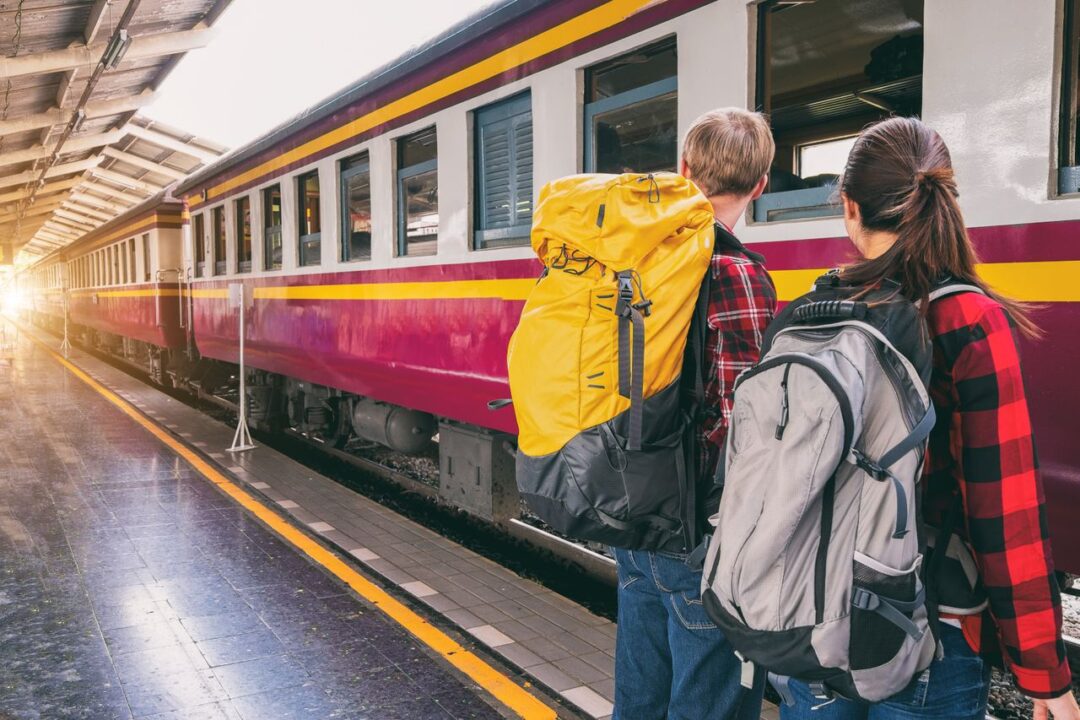
Planning the Best Travel Experience: Tips for the Modern Explorer
If you are looking to join the movement, success lies in the planning. The best travel experiences in the RV and powersports world rarely happen by accident; they require a blend of preparation and the willingness to pivot when the weather or the terrain changes.
- Choose Your Platform: Decide if you are a “towable” person or a “motorized” person. Smaller trailers are easier to park, but motorhomes offer the convenience of living space while in motion.
- Map the Infrastructure: Use apps like OnX Offroad or AllTrails to find legal and safe places to ride your powersports equipment. Always follow “Leave No Trace” principles to ensure these trails stay open for future generations.
- Consider the “Bleisure” Factor: If you plan to work from the road, test your connectivity before you leave. A dead zone can turn a dream trip into a professional nightmare.
- Book Ahead for Key Destinations: While boondocking offers freedom, popular National Park campgrounds often book up six months to a year in advance.
The Future of Travel is Mobile and Powered
As we look toward the next decade, the trend is clear: the best travel isn’t about the destination as a fixed point, but rather the journey and the tools we use to navigate it. The integration of technology, the shift in workforce dynamics, and a renewed appreciation for the American landscape have created a perfect storm for the RV and powersports industries.
CoverPage Media will continue to track these shifts as they evolve. Whether it’s the rise of hydrogen-powered off-road vehicles or the development of “glamping” resorts that cater specifically to the UTV crowd, the intersection of machinery and nature is where the most exciting travel stories are being written today. The road is calling, the trails are open, and the best travel is whatever you make of it—provided you have enough fuel and a good map.