

What Defines Regenerative Farming in the American Heartland?
Regenerative agriculture is often defined not by a single checklist, but by a set of outcomes. At its core, it is a holistic land management practice that leverages the power of photosynthesis and biology to close the carbon cycle and build soil health. For Midwestern farmers, this represents a departure from the “Green Revolution” tactics of the mid-20th century, which prioritized maximum yield through intensive tillage and synthetic fertilizers.
The primary goals of regenerative farming initiatives in the Midwest include:
- Soil Carbon Sequestration: Drawing atmospheric CO2 into the ground to build organic matter.
- Water Retention: Improving the soil’s “sponge” effect to mitigate the impacts of droughts and floods.
- Biodiversity: Reintroducing diverse plant and animal species to the farm ecosystem.
- Economic Resilience: Reducing the high cost of external inputs like seeds, fertilizers, and pesticides.
These principles are being championed by a mix of veteran farmers, tech-savvy newcomers, and regional non-profits who realize that the current path of soil degradation is unsustainable for the next generation of producers.
Leading Regenerative Farming Initiatives in the Midwest
Across the region, several key organizations and projects are leading the charge. These initiatives provide the education, financial incentives, and community support necessary for farmers to take the risk of transitioning their land. One notable example is the Practical Farmers of Iowa (PFI), an organization that has become a national model for farmer-led research. By facilitating peer-to-peer learning, PFI helps growers navigate the complexities of cover crops and diverse rotations.
In the broader regional context, the Midwest Regenerative Agriculture Service Provider Network works to train technical advisors who can help farmers implement these new systems. Furthermore, private-public partnerships are emerging. Companies like PepsiCo and General Mills have launched programs to support regenerative farming initiatives in the Midwest, recognizing that their own supply chains depend on the long-term health of the soil.
The Role of Cover Crops and No-Till Farming
The transition often starts with two fundamental practices: cover cropping and no-till. In traditional Midwestern farming, fields are left bare over the winter, leading to massive erosion and nutrient runoff into the Mississippi River. Cover crops—like cereal rye, clover, and radishes—act as a “living armor” for the soil, feeding microbes even during the off-season.
When combined with no-till practices, which eliminate the heavy machinery that breaks up soil structure, the earth begins to heal. Earthworm populations explode, and the soil’s “glomalin” levels rise, creating a stable environment for crops to thrive even in extreme weather conditions.
The Economic Case for Soil Health
Many critics argue that regenerative farming cannot produce the yields necessary to feed the world. However, farmers involved in regenerative farming initiatives in the Midwest are finding that while yields might slightly dip during the transition period, net profitability often increases. This is because the “input bill”—the money spent on diesel, synthetic nitrogen, and patented seeds—drastically decreases.
“We aren’t just looking at the top line anymore,” says one Nebraska farmer who transitioned 1,000 acres to regenerative management. “We are looking at what stays in our pocket at the end of the year. When you stop fighting nature, your margins start to look a lot better.” This economic shift is vital for revitalizing rural towns that have seen wealth extracted by large agribusiness corporations for decades.
Carbon Markets and New Revenue Streams
Beyond traditional crop sales, regenerative farming initiatives in the Midwest are exploring the “carbon economy.” New platforms allow farmers to sell carbon credits to corporations looking to offset their emissions. While the carbon market is still in its infancy and requires rigorous verification, it represents a potential secondary income stream for farmers who are actively sequestering carbon in their fields.
Challenges on the Path to Transformation
Despite the positive momentum, the road to a regenerative Midwest is not without obstacles. The current federal crop insurance system and farm bill subsidies are heavily weighted toward conventional corn and soybean production. This creates a “safety net” that can inadvertently discourage farmers from trying new, diverse rotations that don’t fit the standard insurance mold.
Additionally, there is a significant “knowledge gap.” Transitioning to regenerative systems requires a high level of ecological literacy. Farmers must become biologists and observers of their own land, rather than simply following a prescription from a chemical salesman. This is why local regenerative farming initiatives in the Midwest are so crucial—they provide the community support needed to overcome the “coffee shop talk” or social pressure to stick with traditional methods.
The Impact on Local Communities and the Environment
The benefits of these initiatives extend far beyond the farm gate. By reducing chemical runoff, regenerative farming helps clean up local waterways and the Gulf of Mexico’s “dead zone.” Healthy soils also act as a buffer against the intense flooding that has plagued Midwestern towns in recent years, as the ground can absorb more water rather than letting it run off into overloaded streams.
From a consumer perspective, there is growing evidence that food grown in regenerative systems is more nutrient-dense. As more people seek out “soil-friendly” labels, the Midwest is positioned to become a leader in high-quality, transparently sourced food. This creates a direct link between the urban consumer and the rural producer, fostering a sense of shared responsibility for the landscape.
Looking Ahead: The Future of the Heartland
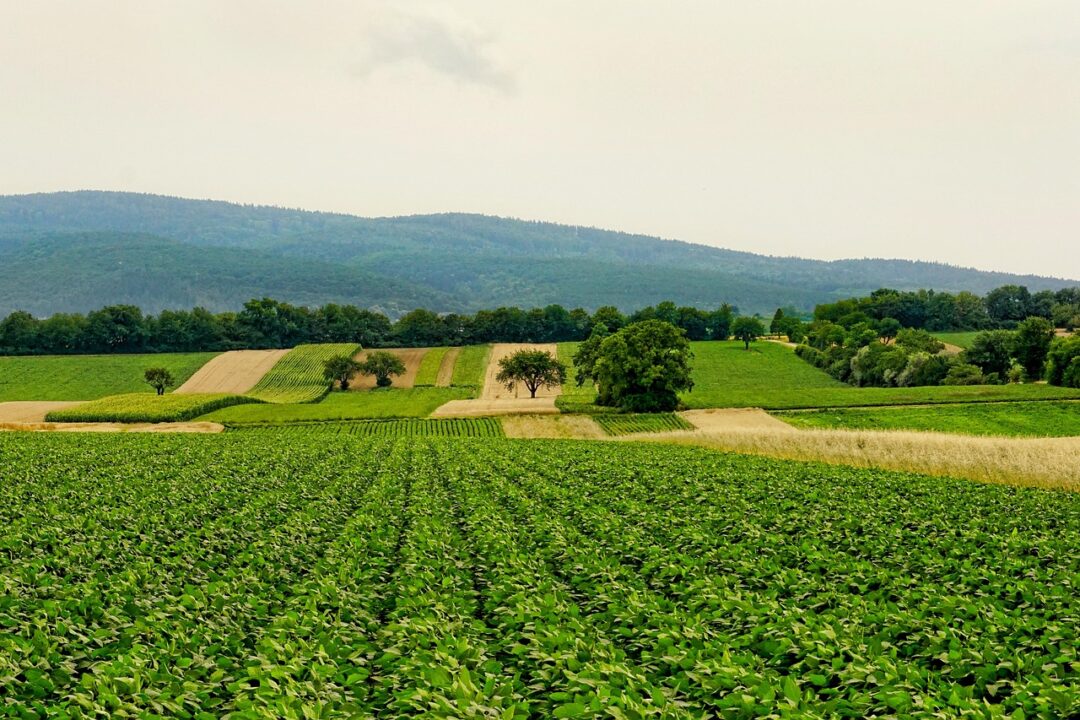
As we look toward the middle of the century, the success of regenerative farming initiatives in the Midwest will likely determine the resilience of the American food supply. The movement is moving past the “early adopter” phase and entering the mainstream. With increased investment from both the public and private sectors, the infrastructure for regenerative agriculture—such as local processing hubs and specialized equipment—is beginning to take shape.
The story of the Midwest is no longer just one of industrial efficiency; it is becoming a story of restoration. By working with the land rather than against it, these farmers are ensuring that the heartland remains a vibrant, productive, and beautiful place for generations to come.
How to Support Regenerative Agriculture
For those looking to support these efforts, there are several ways to get involved:
- Buy Locally: Seek out farmers at local markets who use regenerative or organic practices.
- Advocate: Support policy changes in the upcoming Farm Bill that incentivize soil health.
- Educate: Share the stories of regenerative farming initiatives in the Midwest with your community.
For more information on sustainable agriculture, visit CoverPage Media’s Sustainability Hub or check out our recent feature on The Future of Family Farms.