

Shanghai opened its doors to the global design community on September 25th, marking a significant milestone in the city’s journey as a design capital. The 2025 World Design Cities Conference (WDCC2025) brought together international delegates, industry leaders, and creative minds to explore the evolving role of design in urban development and innovation.
Opening Ceremony Celebrates Shanghai’s Design Legacy
The conference kicked off with an opening ceremony that highlighted Shanghai’s achievements since joining the UNESCO Creative Cities Network. A special report titled “Shanghai 2010-2025: 15th Anniversary as a UNESCO City of Design – Results and Achievements” was officially released, documenting the city’s progress over the past fifteen years.
The ceremony also recognized emerging talent and established excellence within the design community. Certificates were distributed to recipients of the 2025 Shanghai Youth Design Talent U35 programme, an initiative aimed at nurturing the next generation of creative professionals. The evening continued with the awards gala for the 2025 Shanghai Design 100+ Global Competition Annual Awards and the 2025 Frontier Design Prize, celebrating outstanding contributions to the field.
Building Global Design Cooperation
WDCC2025 serves as more than just a gathering of design professionals. The conference has positioned itself as a flagship event within the design industry, bringing together academicians, industry-leading enterprises, and designer representatives from around the world. Through various forums and discussions, participants are working to establish a new framework for global design cooperation and development.
The conference’s mission extends beyond traditional design boundaries. Organizers have articulated clear objectives: to build a global design innovation cooperation platform and to investigate how design can drive the development of new quality productive forces. This approach recognizes design not merely as an aesthetic pursuit but as a strategic tool for economic and social advancement.
Shanghai’s Fifteen-Year Design Journey
Shanghai’s formal entry into the UNESCO Creative Cities Network in 2010 marked the beginning of a transformative period for the city. Over the past decade and a half, “Shanghai Design” has become synonymous with innovation, creativity, and practical application in urban development. The city has consistently demonstrated how design thinking can contribute wisdom and strength to complex urban challenges.
Today, Shanghai is accelerating its transformation into a modernized international metropolis with global influence. Central to this vision is the recognition that design plays an essential role in empowering various industries and sectors. From architecture to technology, from urban planning to consumer products, design principles are being integrated across the economic spectrum.
Introducing Ecological Design Concepts
Among the key themes presented at WDCC2025 are Shanghai’s design propositions, with ecological design taking center stage. This approach reflects growing global awareness about environmental sustainability and the need for design solutions that minimize ecological impact while maximizing human benefit.
The conference aims to position itself as an ecological design weathervane, setting trends and standards for environmentally conscious creative practices. This commitment aligns with broader international efforts to address climate change and resource management through innovative design solutions.
Fostering Youth Talent and Innovation
The debut of the Shanghai Youth Design Talent U35 Programme represents a significant investment in the future of design. By identifying and supporting young designers under the age of 35, Shanghai is ensuring a pipeline of fresh perspectives and innovative approaches to design challenges.
This initiative recognizes that younger designers often bring different sensibilities and technological fluency to their work. They are native to digital tools and platforms, comfortable with rapid prototyping, and attuned to contemporary cultural shifts. By providing these emerging talents with recognition and support, Shanghai is building its capacity for continued design excellence.
Creating New Lifestyle Paradigms
Beyond ecological concerns and talent development, WDCC2025 is striving to establish what organizers call “a new fashion-lifestyle paradigm.” This concept suggests that design is not merely about creating objects or spaces but about shaping how people live, work, and interact with their environment.
The conference is also positioning itself as “an industrial innovation cradle,” suggesting that design thinking can nurture new business models, products, and services. This perspective views design as a catalyst for economic transformation, capable of generating new industries and reimagining existing ones.
Implications for Global Design Practice
The 2025 World Design Cities Conference in Shanghai represents more than a regional event. It signals how major cities are repositioning design from a specialized discipline to a central element of urban strategy. As cities worldwide grapple with challenges ranging from climate change to social inequality to technological disruption, design thinking offers methodologies for approaching these complex problems.
Shanghai’s model demonstrates how sustained commitment to design excellence, backed by institutional support and international collaboration, can transform a city’s identity and capabilities. The conference provides a platform for sharing these lessons with the global design community, potentially influencing how other cities approach their own creative development.
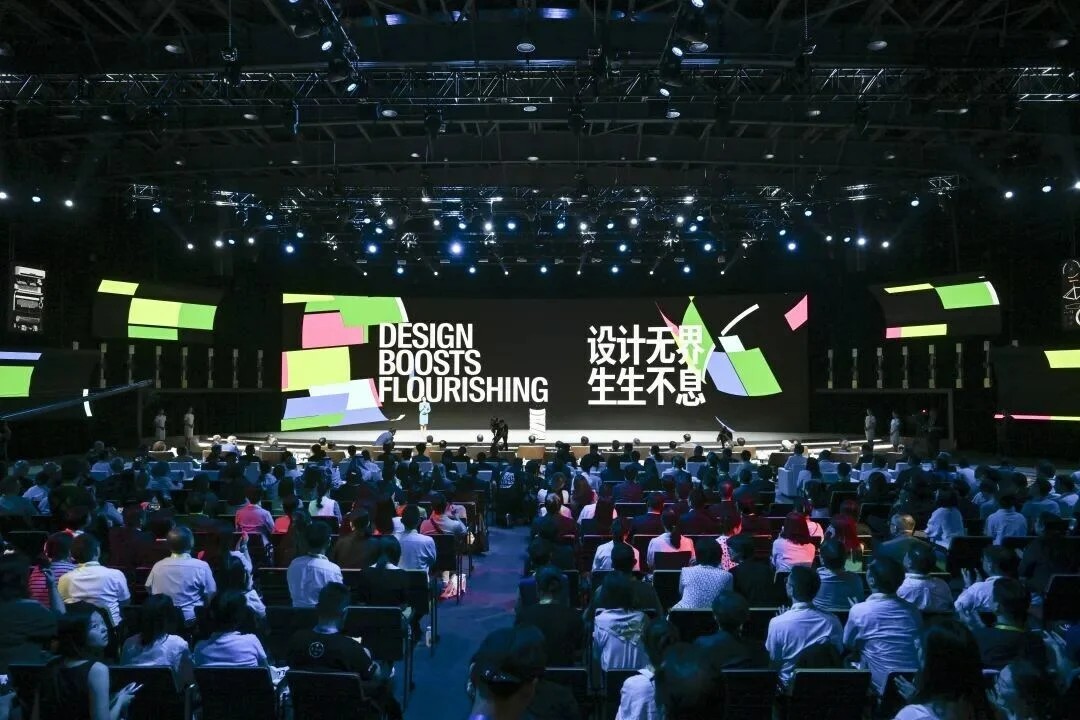 As delegates and participants engage in forums and discussions throughout the conference, they are not merely celebrating past achievements but actively constructing the future of design practice. The frameworks and partnerships established at WDCC2025 may well shape how design contributes to urban development and quality of life for years to come.