

When you think about “remote work by the sea,” you probably imagine crowded co-living hubs in Lisbon or Bali, not two quiet Estonian islands in the Baltic. But Saaremaa and Hiiumaa offer something those hotspots don’t: genuine peace, fiber-fast internet in most towns, and a cost of living that lets your salary go further. If you’re comparing places to base yourself for a few weeks or a full season, this guide covers exactly what you need to know before you book a ferry ticket.
Why Saaremaa and Hiiumaa Work for Remote Professionals
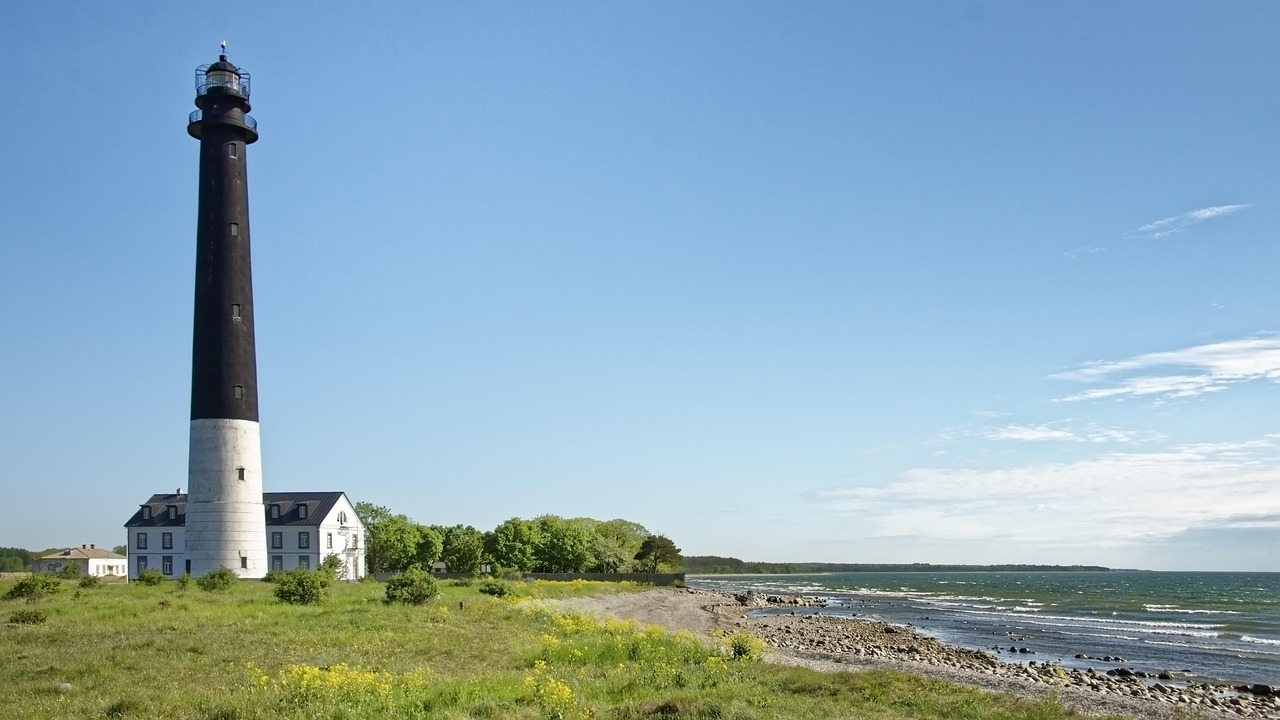
Saaremaa and Hiiumaa are Estonia’s two largest islands, sitting in the Baltic Sea off the country’s west coast. Saaremaa is the bigger and busier of the two, built around the historic town of Kuressaare, with a working airport, a proper hospital, and a small but active startup scene. Hiiumaa is smaller, quieter, and part of a UNESCO Biosphere Reserve, with almost no light or noise pollution — the kind of place where a “commute” means a ten-minute bike ride past a lighthouse.
What makes both islands genuinely workable rather than just scenic is Estonia’s digital infrastructure. This is the country that built e-Residency and runs nearly all government services online, and that same investment reaches the islands: most towns and villages have solid fiber or 4G/5G coverage, and mobile data is cheap by European standards. You’re not roughing it — you’re trading city noise for sea air without losing your connection to clients.
Getting There and Getting Around
Reaching the islands is simpler than most people expect. Car and passenger ferries run year-round between the mainland and Saaremaa (Virtsu to Kuivastu) and between the mainland and Hiiumaa (Rohuküla to Heltermaa), operated by the state ferry company. Crossings take roughly 30 to 60 minutes, and in the busy summer months it’s worth booking your ferry slot in advance if you’re bringing a car.
The two islands are also connected to each other directly: a smaller ferry runs from Triigi on Saaremaa to Sõru on Hiiumaa, which is handy if you want to split your stay between both without routing back through the mainland. If you’d rather skip the drive entirely, there are short domestic flights from Tallinn to Kuressaare and to Kärdla, each taking around 30 to 40 minutes — useful if you’re flying in internationally and want to avoid a multi-hour drive plus ferry queue.
Once you’re on the islands, a car is genuinely useful. Public transport exists but runs infrequently outside the main towns, and a lot of the appeal — quiet beaches, lighthouses, forest trails — is spread out. Many remote workers rent a car for the duration of their stay or bring their own on the ferry.
The Legal Side: Visas and Residency
Before you plan a longer stay, sort out your legal status. EU and EEA citizens can live and work from Saaremaa or Hiiumaa without any special visa, under normal freedom-of-movement rules. If you’re staying long-term, you’ll eventually need to register your residence with local authorities, but there’s no separate permit required for remote work itself.
For non-EU citizens, Estonia’s Digital Nomad Visa is the relevant route, and it applies to the islands the same way it applies to Tallinn. It’s a long-stay Type D visa allowing up to 12 months in the country, aimed specifically at people who work remotely for employers or clients based outside Estonia. The core requirement is a documented, consistent income over the past six months — the exact threshold has shifted over time and currently sits in the range of roughly €3,500 to €4,500 gross per month, so check the current figure on the Estonian Police and Border Guard Board site before applying, since it’s adjusted periodically. You’ll also need Schengen-compliant health insurance with a minimum coverage level, a clean criminal record, and proof of accommodation.
One common mix-up worth clearing up: e-Residency is not a visa. It lets you set up and manage an Estonian company online from anywhere in the world, but it grants no right to actually live in Estonia. If your plan involves both running an Estonian company and physically working from the islands, you’ll need e-Residency for the business side and the Digital Nomad Visa (or another residence permit) for the living side.
Also worth knowing: if you spend 183 days or more in Estonia within a 12-month period, you generally become a tax resident, which has implications for where your income is taxed. If you’re planning an extended stay, it’s worth a short conversation with a tax advisor before you commit to dates.
Internet and Connectivity: What to Actually Expect
This is usually the first worry people raise about working from a small island, and it’s mostly unfounded. Kuressaare on Saaremaa and Kärdla on Hiiumaa both have fiber-backed connections comparable to what you’d find in Tallinn, and 4G/5G mobile coverage extends across most of the inhabited areas of both islands. If you’re renting a house in a very rural spot, it’s worth confirming the connection type with your host before you arrive — some older rural properties still rely on slower copper lines or satellite backup — but this is the exception, not the rule.
A practical habit: if a video call genuinely can’t fail (a client pitch, a live demo), have a mobile hotspot as backup and test your connection speed the day before, not the hour before. Estonian mobile carriers offer inexpensive data plans that make this an easy safety net.
Where to Actually Work: Coworking Spaces and Cafés
Saaremaa has a dedicated coworking space, Edukontor, based in Kuressaare, offering desk rentals with fast wifi, a shared office, and a lounge area — it’s built a small community of remote workers, freelancers, and local professionals, and it’s the obvious first stop if you want structure and other people around you. Beyond that, several cafés in Kuressaare are comfortable for a few hours of laptop work, particularly outside peak tourist season.
Hiiumaa is quieter on the dedicated-coworking front, so most remote workers there set up a home office in their rental — which fits the island’s whole ethos anyway. If you want occasional company or a change of scenery, Kärdla has cafés with reliable wifi that are used informally as workspaces, especially by the small community of remote workers who base themselves there seasonally.
If neither island has the exact setup you want on a given day, Estonia’s national coworking network lets members of participating spaces drop into other locations around the country for a free day each month — worth checking if you’re already a member of a space back in Tallinn or elsewhere.
Cost of Living and Where to Stay
Both islands are noticeably cheaper than Tallinn, and considerably cheaper than Western European remote-work hubs. Long-term rentals — a one- or two-bedroom apartment or a small house — are the most cost-effective option if you’re staying more than a few weeks, and they’re easy to find through local rental sites and Facebook groups aimed at the islands. Short stays are simplest booked through the usual holiday-rental platforms, though prices climb sharply in July and August when Estonian and Finnish tourists arrive for the summer.
Groceries, eating out, and transport all run below mainland Western European prices, though imported goods carry a small island premium. If budget matters, aim for spring, autumn, or even winter: accommodation is markedly cheaper outside the summer season, the islands are far quieter, and the connectivity and coworking options don’t change with the calendar.
Life Outside the Laptop
The whole point of working from these islands is what happens after you close the laptop. On Hiiumaa, the beaches at Tõrvanina, Luidja, and Ristna are long, sandy, and largely empty outside peak season — Ristna in particular draws windsurfers, kitesurfers, and wing-foilers from across Europe for some of the biggest waves in the Baltic. History fans can visit three lighthouses on the island, including Kõpu, which dates back to the 16th century and is one of the oldest working lighthouses in the world.
Saaremaa’s draw is a little different: the medieval Kuressaare Episcopal Castle anchors the main town, and the island is dotted with saunas, spa hotels, and juniper-covered coastline that make it easy to genuinely disconnect on evenings and weekends. Both islands reward slow travel — cycling between villages, forest walks, and long dinners are the norm rather than the exception.
Practical Tips for a Smooth Stay
- Book ferries ahead in summer. July and August get busy, especially for cars; walk-on passenger tickets are more flexible if you’re not driving.
- Confirm your rental’s internet type before booking if you’re going somewhere rural — fiber is common but not universal.
- Pack for weather swings. Baltic weather changes quickly; layers matter more than a swimsuit for most of the year.
- Time your visit to your priorities. Summer for social energy and beach weather, shoulder season for lower prices and fewer crowds, winter if you specifically want solitude and don’t mind short daylight hours.
- Sort your visa status early. Non-EU citizens should apply for the Digital Nomad Visa well ahead of travel dates, since processing can take several weeks.
Frequently Asked Questions
Is the internet reliable enough for video calls on Saaremaa and Hiiumaa?
Yes, in the main towns and most inhabited areas. Kuressaare and Kärdla both have fiber-backed connections, and mobile 4G/5G coverage is solid across most of both islands. Rural properties are the main exception worth checking in advance.
Do I need a visa to work remotely from these islands?
EU/EEA citizens don’t need a special visa. Non-EU citizens generally need Estonia’s Digital Nomad Visa or another valid residence permit to stay and work remotely for an extended period.
Is e-Residency the same as a work visa?
No. E-Residency lets you manage an Estonian company remotely from anywhere but does not grant any right to live in Estonia. It’s a business tool, not an immigration status.
How do I get between Saaremaa and Hiiumaa?
A direct ferry runs between Triigi on Saaremaa and Sõru on Hiiumaa, so you can move between the two islands without routing back through the mainland.
What’s the best time of year to work remotely from the islands?
Late spring through early autumn offers the best balance of daylight, weather, and open cafés or coworking spaces. Summer (July–August) is liveliest but also the most expensive and crowded.
Final Thoughts
Saaremaa and Hiiumaa won’t suit everyone. There’s no buzzing digital-nomad scene, and if you need constant networking events, look elsewhere. But if what you actually want is dependable internet, a lower cost of living, and a genuinely restorative environment to work from, few places in Europe deliver all three as reliably. Start with a two- to three-week trial stay before committing to anything longer — it’s enough time to test your workflow, your internet, and whether island pace suits the way you work.